

Education is not just confined to textbooks, lessons taught in classrooms, and examination scores obtained. Every child possesses distinctive strengths, interests, challenges, and learning patterns, which grow and change throughout the years. For parents searching for Cambridge schools in Hyderabad, it is important to know that education is not just about grades.
This is where parent-teacher meetings come in. Parents and teachers can be able to share observations, learn about their children's progress, and work together to support their development. Rather than getting updates on children’s grades, these meetings facilitate stronger relationships between school and home.
Understanding a Child Beyond Academic Performance
Each child has their own way of learning. There are children who grasp concepts quickly; some need to digest that same concept many times. Furthermore, a child may do well academically but still face difficulties in the area of communication or social skills.
Parent-teacher meetings take place so that teachers can provide background information on how a child participates in class, his or her learning habits and overall behaviour. In turn, the parents explain how their children learn at home.
This leads to a better understanding on the part of both parents and teachers of what is needed by the child besides his/her academic results.
Identifying Strengths and Areas for Improvement
Academic success is often measured with report cards, but they don't consider all skills a child may possess during their studies.
With the help of a teacher, students may be able to develop their teamwork, creativity, curiosity and problem-solving capabilities during the parent-teacher meeting.
Such interactions also contribute to identifying the specific areas where the child could use more resources and assistance.
In particular, students who do well with papers but lack speaking abilities can benefit from various activities aimed at enhancing their communication skills and confidence level.
Getting this information early can help provide timely assistance and guidance to the child.
Building Better Communication Between Parents and Teachers
Effective communication creates a positive environment for children and learning. Parent-teacher meetings create a platform for parents to raise their concerns, clarify their doubts and get a better understanding of their children’s experiences at school.
Teachers explain their teaching methods, what the children are expected to do in class and how their students are progressing. Teachers listen to parents and collect information about their children’s likes, preferred ways of learning and areas of difficulty.
When parents and teachers are on the same page, it is easier to avoid misunderstanding and children can receive more regular help.
Supporting Children's Emotional and Social Development
Academic success is just one portion of a child's growth. Other aspects such as social interaction, emotional health, friendships and confidence can also come into play.
Teachers frequently notice how their pupils behave in their surroundings, how they adapt to new experiences and behave in group assignments.
Informing parents about these observations allows them to check whether any behavioral change has been noticed and if there are any subjects that children may require emotional support in.
For instance, being more silent than usual may also indicate that there is a need for more attention from adults.
Encouraging Consistent Learning Habits at Home and School
The more teachers and parents reinforce what students learn at school, the more effective their teachings become.
In meetings parents can learn some useful ways they can support their children in reading, doing homework, managing time and developing independent skills.
They can also share their problems related to studying, such as poor concentration, procrastination or irregular study habits.
Therefore, cooperation enables parents and teachers to develop a reasonable study plan for children and make them more responsible and organized.
Helping Parents Understand Their Child's Learning Environment
There may be uncertainty involved in terms of what goes on during the school day when children are attending the school. Events, such as parent-teacher meetings can confirm the following: activities that are performed by students in teachings, teaching methodologies are utilized, school expectations from children and parental attendance in school affairs.
When considering Cambridge schools in Hyderabad, parents should also look into how effectively the schools communicate with parents regarding the progress of their children, how family participation is encouraged and how the individual's needs of children are taken into account.
Through these events, the parents obtain vital information regarding teaching methods used in the school, the degree of involvement of children and what lesson plans contribute to their development.
Creating a Supportive Partnership for Future Growth
A parent-teacher meeting should not just finish with talking about problems or successes. The meeting should be productive by giving practical solutions for the future of the child.
During future meetings, parents and teachers should set objectives that can be achieved and suggest appropriate learning activities.
For those families comparing Cambridge schools in Hyderabad, it is crucial to know how a particular school encourages parents to participate and communicate regularly.
This helps foster the sense of joint responsibility for a child’s development. It also aids children to understand that their education is assisted by the family and teachers.
Conclusion
Parent-teacher meetings are much more valuable than opportunities to review academic report cards. They help parents understand their child's individual needs, recognise strengths, address challenges and support emotional, social and academic development.
When considering Cambridge schools in Hyderabad, parents should look beyond academic results and understand how schools build meaningful partnerships with families.
At Candiidus International School, building a meaningful connection between parents and teachers is an important part of creating a supportive learning environment. When families and educators work together, children receive the encouragement and guidance they need to grow into confident, responsible and independent individuals.
FAQs
1. Why are parent-teacher meetings important for students?
Parent-teacher meetings help parents understand their child's academic progress, behaviour, strengths and areas that need additional support.
2. How do parent-teacher meetings support a child's overall development?
They help teachers and parents work together to improve a child's academic performance, communication skills, confidence and emotional well-being.
3. What should parents discuss during parent-teacher meetings?
Parents can discuss classroom participation, learning habits, academic progress, friendships, behaviour and any challenges their child experiences.
4. How often should parents attend parent-teacher meetings?
Parents should attend all scheduled meetings and communicate with teachers whenever they have concerns about their child's learning or development.
5. Why is parent-teacher communication important when choosing a school?
Good communication helps parents stay informed about their child's progress and ensures that teachers and families work together to support their educational journey.
Keep reading
Related articles

How International Education Helps Students Understand Different Perspectives
Explore how Candiidus International School helps students explore cultures, question assumptions and understand diverse viewpoints through international education.

Why Emotional Well-Being Matters Alongside Academic Success
Learn why emotional well-being matters alongside academic success and how Candiidus International School supports students’ overall development in Hyderabad.
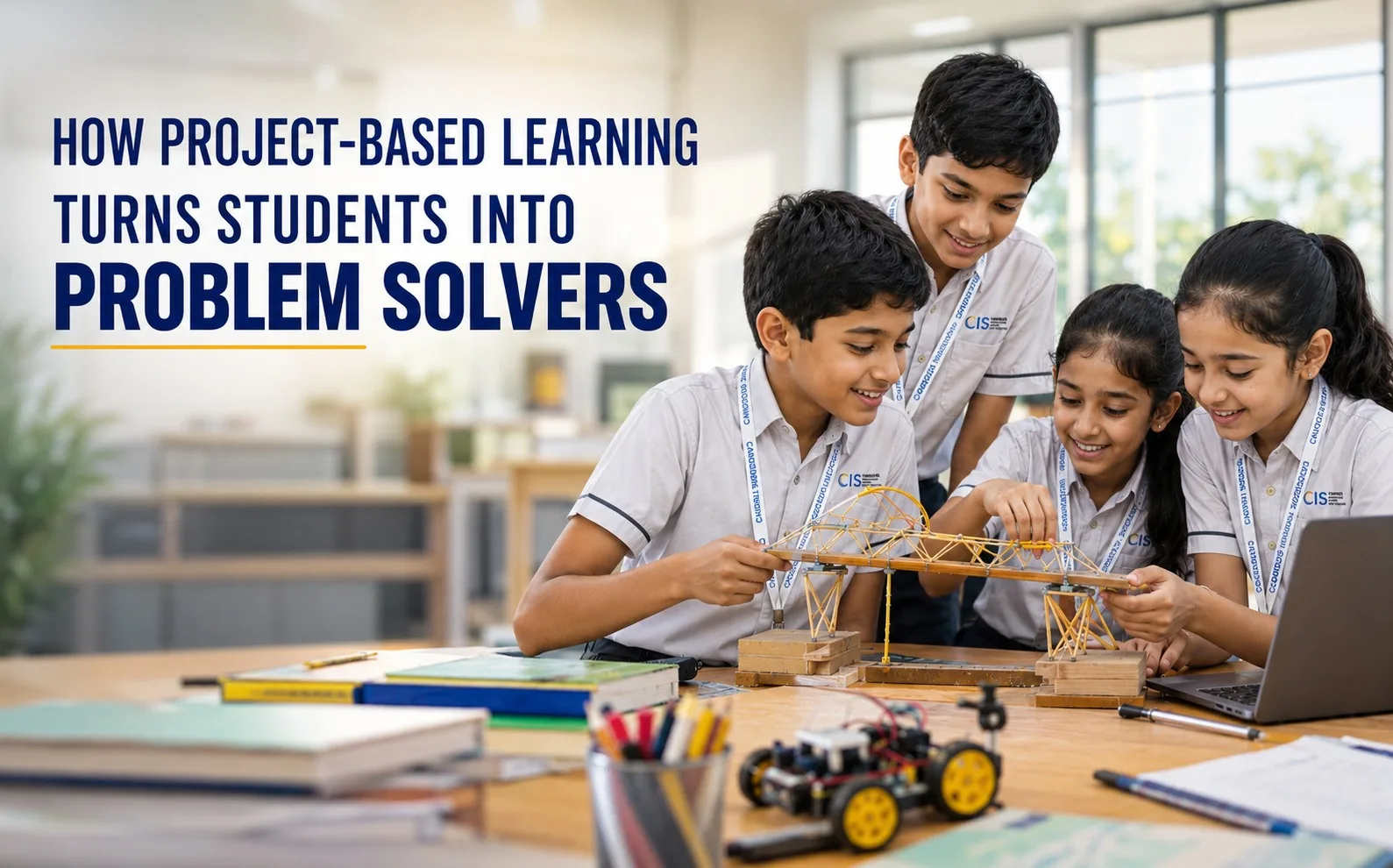
How Project-Based Learning Turns Students Into Problem Solvers
Discover how project-based learning helps students develop problem-solving, research, teamwork, creativity, and communication skills at Candiidus International School.
Discussion
Comments
No comments yet. Be the first to share your thoughts.
Leave a comment
Comments are reviewed before they appear on this page.